
INDUSTRY PROGRAM
Medical & Dental Office Workers’ Compensation
Physician practices, dental offices, chiropractors, and outpatient clinics — low-rate coverage with the healthcare-specific details handled right.
Typical Class Codes
8832
Hazard Level
Low
Pay-As-You-Go
Available
Certificates
Same-Day
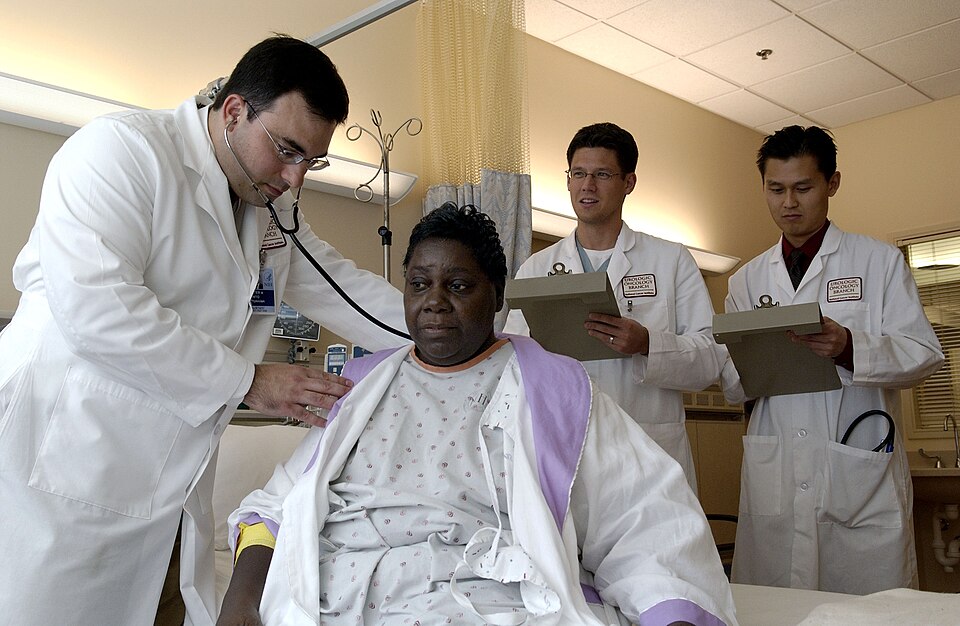
Workers’ comp built for medical and dental practices
A physician or dental practice is a low-hazard risk with a few healthcare-specific wrinkles: needlestick exposure, patient-handling strains, and clinical staff who move between front desk and treatment rooms all day. Code 8832 rates are low, but practices still overpay when staff are misclassified or when the practice never gets shopped after the first policy.
We insure physician and dental practices, chiropractic and physical therapy clinics, optometrists, urgent care centers, and outpatient specialty offices. Note that home health and traveling-care operations rate very differently — this program is for office- and clinic-based care, where carriers compete hard for the business.
Medical & Dental Office class codes
Office-based healthcare mostly runs through one favorable code:
- Code 8832 — Physician & Clerical: doctors, dentists, clinical staff, and office employees of a practice
- Code 9040 / 8833 — Hospitals: inpatient facilities rate on hospital codes, not 8832
- Code 8835 — Home Health: traveling caregivers are a different world of exposure and rate
- Code 8810 — Clerical: in some states, billing-only staff can be separately rated
Getting the class code right matters more in this industry than almost anything else on the policy. Misclassification is one of the most common reasons medical and dental practices overpay — and one of the first things we check when we review an existing policy. Browse our class code guides for a deeper look at how rates attach to codes.
What drives workers’ comp claims for medical and dental practices
Healthcare office claims cluster around patient interaction and clinical routine:
- Needlesticks and sharps injuries — with post-exposure protocols driving predictable claim costs
- Patient-handling strains — assisting patients on and off tables and chairs
- Slips and falls — clinical floors, parking areas, and the waiting room
- Repetitive motion — dental hygiene work is a classic source of hand and wrist claims
- Workplace violence — an unfortunate but real exposure in patient-facing settings
How much does workers’ comp cost for medical and dental practices?
Medical and dental offices typically pay in the neighborhood of $0.30 to $1.20 per $100 of payroll depending on state and mix of clinical versus clerical staff. A practice with $1M in payroll often lands between $3,000 and $12,000 — and because 8832 is a preferred class, carriers frequently compete on it with dividends and multi-line credits worth asking about.
Because we quote medical and dental practices across a dozen A-rated carriers — including specialists who actively want this class of business — the spread between the best and worst quote on the same account is often 20–40%. That spread is why comparison shopping matters more than any single discount.
Ways to lower your premium
- Pay-as-you-go billing — premium calculated from actual payroll each pay period, which fits the seasonal staffing patterns common in this industry
- Accurate class codes and payroll splits — clerical staff belongs in code 8810, not your governing class
- A documented safety program — carriers credit written procedures, training records, and a clean loss history
- Experience mod management — reporting claims promptly and closing them fast protects your mod at renewal
- Document your sharps and exposure-control program — OSHA-compliant protocols read as credits at underwriting
Compare quotes from carriers that want medical and dental practices
One application, up to a dozen A-rated markets — including the specialty carriers that price medical & dental office business aggressively. See who actually wins your account.
Medical & Dental Office workers’ comp FAQs
What workers’ comp class code applies to a doctor’s office?
Office-based physicians, dentists, and their staff generally fall under NCCI code 8832 (Physician & Clerical). Hospitals and home health operations use different, higher-rated codes.
Does workers’ comp cover a needlestick injury?
Yes — needlesticks are covered workplace injuries, including the testing, prophylaxis, and follow-up care that a proper post-exposure protocol requires. Carriers price practices better when an exposure-control plan is documented.
Are the practice owners covered by workers’ comp?
Owners and officers can typically choose to include or exclude themselves, state rules permitting. Excluding owners lowers payroll and premium, but means no comp benefits if the owner is injured — we walk through the math both ways.
More industries we insure
Offices & Professional Services · Veterinary Clinics · Fitness Studios & Gyms · all industries
Ready to protect your business?
Get multiple workers’ comp quotes within minutes. Talk to a licensed specialist today.