
INDUSTRY PROGRAM
Retail Store Workers’ Compensation Insurance
From boutiques to grocery stores — affordable workers’ comp with class codes done right and billing that follows your seasonal payroll.
Typical Class Codes
8017 / 8018
Hazard Level
Low
Pay-As-You-Go
Available
Certificates
Same-Day
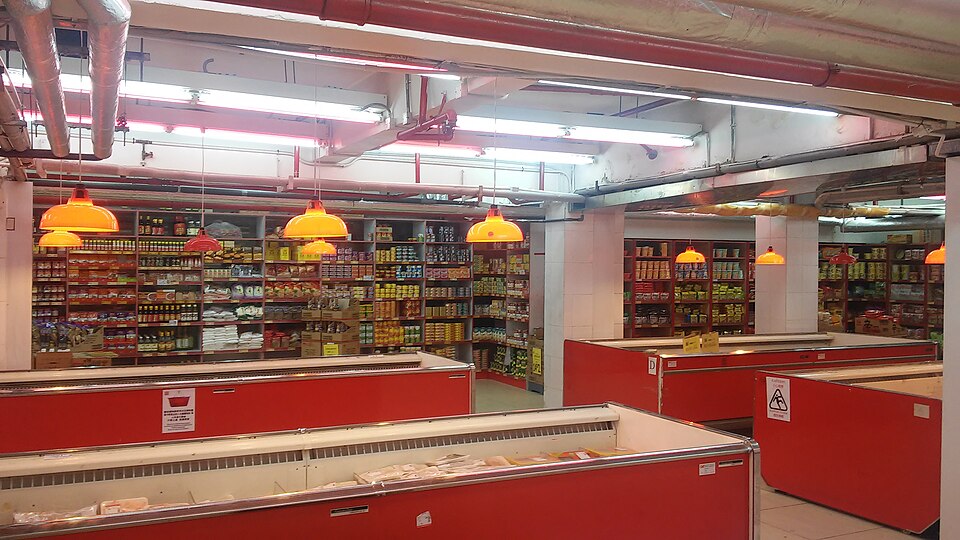
Workers’ comp built for retail stores
Retail is one of the most affordable industries to insure for workers’ comp — but only when the store is classified correctly and the payroll is split properly. Stock clerks, cashiers, and floor staff carry different exposures than the delivery driver or the bookkeeper in the back office, and lumping everyone into one code is the fastest way to overpay.
We write workers’ comp for boutiques, convenience stores, grocery and specialty food stores, hardware stores, and e-commerce operations with warehouse staff. Because retail is a preferred class for most of our carriers, clean accounts see aggressive pricing — the work is in the comparison, and that’s what we do on every quote.
Retail Store class codes
Retail spans several codes depending on what you sell and how it moves:
- Code 8017 — Retail Store: the governing class for most general retail
- Code 8018 — Wholesale Store: bulk and wholesale operations rate differently than walk-in retail
- Code 8006 — Grocery/Food Store: food retail with its own rate reflecting stocking and slip exposure
- Code 8810 — Clerical: office staff split out at the lowest rate on the policy
- Code 7380 — Drivers: delivery employees belong in a driver code, not the store code
Getting the class code right matters more in this industry than almost anything else on the policy. Misclassification is one of the most common reasons retail stores overpay — and one of the first things we check when we review an existing policy. Browse our class code guides for a deeper look at how rates attach to codes.
What drives workers’ comp claims for retail stores
Retail claims are dominated by material handling and the sales floor itself:
- Lifting and overexertion — receiving freight, stocking shelves, and moving displays
- Slips, trips, and falls — entrance mats, spills in aisles, stockroom clutter
- Falls from height — ladders and step stools in the stockroom
- Struck-by injuries — falling stock from high shelving
- Repetitive motion — scanning and register work over long shifts
How much does workers’ comp cost for retail stores?
Retail workers’ comp commonly runs well under $1 per $100 of payroll up to roughly $2 depending on state, merchandise type, and history — among the lowest rates of any industry with physical operations. On a $300,000 payroll, most stores land somewhere between $1,500 and $5,000 a year, and correct clerical and driver splits routinely shave 10-20% off a misclassified policy.
Because we quote retail stores across a dozen A-rated carriers — including specialists who actively want this class of business — the spread between the best and worst quote on the same account is often 20–40%. That spread is why comparison shopping matters more than any single discount.
Ways to lower your premium
- Pay-as-you-go billing — premium calculated from actual payroll each pay period, which fits the seasonal staffing patterns common in this industry
- Accurate class codes and payroll splits — clerical staff belongs in code 8810, not your governing class
- A documented safety program — carriers credit written procedures, training records, and a clean loss history
- Experience mod management — reporting claims promptly and closing them fast protects your mod at renewal
- Keep delivery drivers in their own class code — a driver rated as a stock clerk is an audit surprise waiting to happen
Compare quotes from carriers that want retail stores
One application, up to a dozen A-rated markets — including the specialty carriers that price retail store business aggressively. See who actually wins your account.
Retail Store workers’ comp FAQs
What is the workers’ comp class code for a retail store?
Most general retail falls under NCCI code 8017. Grocery and food stores, wholesale operations, and delivery drivers each have their own codes — and splitting clerical staff into 8810 lowers the blended rate further.
Do small retail shops with one employee need workers’ comp?
In most states, yes — the requirement typically begins with your first employee, full-time or part-time. A few states set thresholds of three or more employees; we confirm your state’s rule when we quote.
How much does workers’ comp cost for a retail store?
Retail is one of the cheapest classes to insure — commonly between about $0.50 and $2 per $100 of payroll depending on state and claims history. Correct classification and carrier comparison matter more than any single discount.
More industries we insure
Restaurants · Offices & Professional Services · Auto Repair Shops · all industries
Ready to protect your business?
Get multiple workers’ comp quotes within minutes. Talk to a licensed specialist today.