
INDUSTRY PROGRAM
Veterinary Clinic Workers’ Compensation Insurance
Vet hospitals, clinics, groomers, and boarding facilities — coverage that understands animal-handling exposure and clinical payroll.
Typical Class Codes
8831
Hazard Level
Low–Moderate
Pay-As-You-Go
Available
Certificates
Same-Day
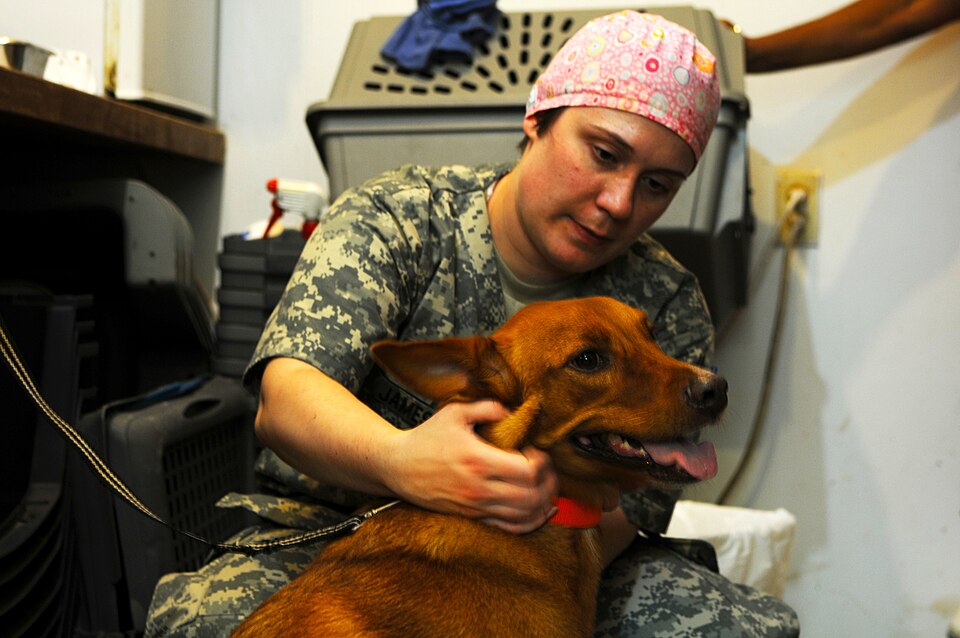
Workers’ comp built for veterinary clinics
Every veterinary claim story starts the same way: the animal didn’t cooperate. Bites, scratches, and lifting injuries define the class — frequent, usually moderate, and very responsive to handling protocols. Code 8831 rates sit comfortably below human-medicine adjacent classes, and carriers actively write good clinics.
We insure veterinary hospitals and clinics, mobile vet practices, grooming salons, boarding and daycare facilities, and shelters with paid staff. Mixed operations are the classification watch-point: a clinic with boarding, grooming, and retail may need payroll split across codes, and the blend changes the bill.
Veterinary Clinic class codes
Animal care mostly rates through one code, with adjacent operations to watch:
- Code 8831 — Hospital: Veterinary: vets, techs, and support staff of clinics and animal hospitals
- Grooming and boarding: standalone kennels and grooming may rate under different codes in some states
- Code 8810 — Clerical: reception and billing staff where states permit the split
- Retail product sales: significant retail operations can warrant a 8017 split
Getting the class code right matters more in this industry than almost anything else on the policy. Misclassification is one of the most common reasons veterinary clinics overpay — and one of the first things we check when we review an existing policy. Browse our class code guides for a deeper look at how rates attach to codes.
What drives workers’ comp claims for veterinary clinics
Claims follow the animals — and the lifting:
- Bites and scratches — the signature claim, with infection follow-ups driving cost
- Lifting injuries — large dogs onto tables, bags of feed, immobilized animals
- Zoonotic exposure — infections transmissible from animals require post-exposure care
- Slips and falls — wet kennel floors and bathing areas
- Sharps and radiation — needlesticks and imaging-room protocols
How much does workers’ comp cost for veterinary clinics?
Veterinary clinics typically price between roughly $1 and $3 per $100 of payroll depending on state and mix. A clinic with $500,000 of payroll usually lands between $5,000 and $15,000 — with restraint training, lift tables, and documented bite protocols pulling clinics toward the favorable end.
Because we quote veterinary clinics across a dozen A-rated carriers — including specialists who actively want this class of business — the spread between the best and worst quote on the same account is often 20–40%. That spread is why comparison shopping matters more than any single discount.
Ways to lower your premium
- Pay-as-you-go billing — premium calculated from actual payroll each pay period, which fits the seasonal staffing patterns common in this industry
- Accurate class codes and payroll splits — clerical staff belongs in code 8810, not your governing class
- A documented safety program — carriers credit written procedures, training records, and a clean loss history
- Experience mod management — reporting claims promptly and closing them fast protects your mod at renewal
- Train animal restraint and use lift tables — bite and lifting claims are the class’s twin cost drivers, and both respond to protocol
Compare quotes from carriers that want veterinary clinics
One application, up to a dozen A-rated markets — including the specialty carriers that price veterinary clinic business aggressively. See who actually wins your account.
Veterinary Clinic workers’ comp FAQs
What class code applies to a veterinary clinic?
Veterinary hospitals and clinics rate under NCCI code 8831, covering veterinarians, techs, and support staff. Standalone grooming, boarding, and significant retail operations may carry separate codes.
Are animal bites covered by workers’ comp?
Yes — bites and scratches sustained by staff performing their duties are covered, including infection treatment and any lost time. Restraint training and documented handling protocols reduce both frequency and premium.
Do groomers and kennel staff need workers’ comp?
If they’re employees, yes — the same state rules apply. True independent contractors may not require coverage, but states apply strict tests, and misclassification carries audit penalties.
More industries we insure
Medical & Dental Offices · Daycare Centers · Retail Stores · all industries
Ready to protect your business?
Get multiple workers’ comp quotes within minutes. Talk to a licensed specialist today.