
INDUSTRY PROGRAM
Restaurant Workers’ Compensation Insurance
Full-service, fast-food, cafes, and caterers — compare quotes from carriers that actively write restaurants, with pay-as-you-go billing built for tips and turnover.
Typical Class Codes
9082 / 9083
Hazard Level
Low–Moderate
Pay-As-You-Go
Available
Certificates
Same-Day
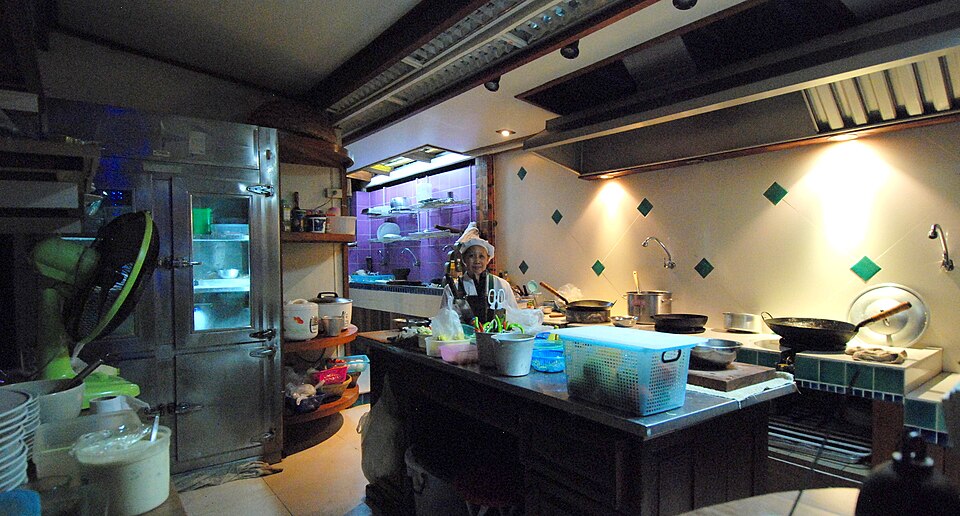
Workers’ comp built for restaurants
Restaurants run on people — cooks around hot equipment, servers moving fast through tight spaces, dishwashers handling knives and wet floors. Workers’ compensation isn’t just required in nearly every state once you hire; it’s the coverage that keeps a kitchen burn or a slip on a greasy floor from becoming a lawsuit and a payroll crisis at the same time.
We insure restaurants through carriers that actually want food-service business — including markets with dedicated restaurant programs — and we build the policy around the industry’s realities: seasonal staffing, high turnover, part-timers, and payroll that swings month to month. Our sister agency USRestaurantInsure handles the full restaurant insurance package; this page covers the workers’ comp piece in depth.
Restaurant class codes
Most restaurants fall under one of two NCCI class codes, and the difference between them moves your rate meaningfully:
- Code 9082 — Restaurant, Full Service: table service with wait staff; the governing class for most sit-down restaurants
- Code 9083 — Restaurant, Fast Food: counter service, quick-serve, and takeout-focused operations, typically rated below 9082
- Code 9084 — Bars & Taverns: where alcohol sales dominate — see our bar & tavern program
- Code 8810 — Clerical: bookkeepers and office staff, properly split out at a fraction of the kitchen rate
Getting the class code right matters more in this industry than almost anything else on the policy. Misclassification is one of the most common reasons restaurants overpay — and one of the first things we check when we review an existing policy. Browse our class code guides for a deeper look at how rates attach to codes.
What drives workers’ comp claims for restaurants
Food service claims are frequent but usually moderate in severity — which is exactly the profile carriers can price competitively when your loss runs are clean:
- Cuts and lacerations — knife work and slicers account for a steady share of kitchen claims
- Burns and scalds — fryers, ovens, steam, and hot liquids
- Slips and falls — wet or greasy floors are the single biggest driver of serious restaurant claims
- Strains and sprains — lifting stock, kegs, and bus tubs; repetitive prep motions
- Struck-by and struck-against — tight kitchens during a rush
How much does workers’ comp cost for restaurants?
Restaurant workers’ comp usually prices between roughly $1 and $3 per $100 of payroll depending on your state, class code, and claims history — full-service generally rates higher than quick-serve, and states like New Jersey and California sit above the national average. On a $500,000 payroll, that’s the difference between about $5,000 and $15,000 a year, which is why the class code and the carrier both matter.
Because we quote restaurants across a dozen A-rated carriers — including specialists who actively want this class of business — the spread between the best and worst quote on the same account is often 20–40%. That spread is why comparison shopping matters more than any single discount.
Ways to lower your premium
- Pay-as-you-go billing — premium calculated from actual payroll each pay period, which fits the seasonal staffing patterns common in this industry
- Accurate class codes and payroll splits — clerical staff belongs in code 8810, not your governing class
- A documented safety program — carriers credit written procedures, training records, and a clean loss history
- Experience mod management — reporting claims promptly and closing them fast protects your mod at renewal
- Split tipped payroll correctly — in most states, reported payroll for rating excludes certain tips, and getting this wrong inflates premium
Compare quotes from carriers that want restaurants
One application, up to a dozen A-rated markets — including the specialty carriers that price restaurant business aggressively. See who actually wins your account.
Restaurant workers’ comp FAQs
Do restaurants need workers’ comp for part-time employees?
Yes — in nearly every state, part-time, seasonal, and even family employees count toward the workers’ comp requirement. A dishwasher working ten hours a week is covered the same as a full-time cook.
What class code is a restaurant for workers’ comp?
Most sit-down restaurants are NCCI code 9082 (full service), while counter-service and fast-food operations are 9083. Bars where alcohol dominates are 9084. Clerical staff can usually be split into code 8810 at a much lower rate.
How can a restaurant lower its workers’ comp cost?
Pay-as-you-go billing matched to actual payroll, correct class-code splits, tip reporting handled properly, slip-resistant footwear policies, and comparing carriers with dedicated restaurant programs — the spread between quotes on the same restaurant is often 20-40%.
More industries we insure
Bars & Taverns · Retail Stores · Hotels & Motels · all industries
Ready to protect your business?
Get multiple workers’ comp quotes within minutes. Talk to a licensed specialist today.
Need the full restaurant package — liquor liability, property, and more? Our sister site USRestaurantInsure.com handles restaurants end to end.