
INDUSTRY PROGRAM
Bar & Tavern Workers’ Compensation Insurance
Bars, taverns, pubs, and breweries — coverage from carriers that understand late hours, high volume, and hospitality payroll.
Typical Class Codes
9084
Hazard Level
Moderate
Pay-As-You-Go
Available
Certificates
Same-Day
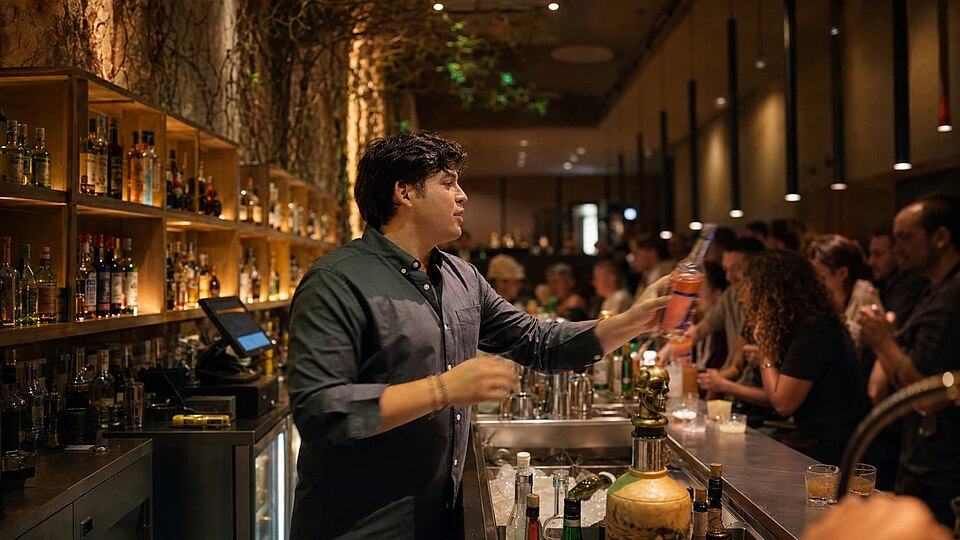
Workers’ comp built for bars and taverns
Bars combine everything that makes hospitality risk interesting: late-night hours, crowded rooms, glassware everywhere, kegs that weigh 160 pounds, and a staff that’s on its feet until 2 a.m. Workers’ compensation covers your bartenders, barbacks, security, and kitchen staff when the job leaves a mark — and in most states it’s mandatory from your first hire.
Plenty of standard carriers shy away from liquor-led businesses, which is precisely why independent access matters. We place bars and taverns with markets that actually rate 9084 competitively instead of surcharging it, and we structure payroll reporting around the seasonal and weekend-heavy schedules the industry runs on.
Bar & Tavern class codes
Bar classification comes down to what dominates the revenue — alcohol or food:
- Code 9084 — Bar, Tavern, Nightclub: establishments where alcohol service is the primary business
- Code 9082 — Restaurant, Full Service: gastropubs and taprooms where food service leads — often a meaningfully lower rate
- Code 8810 — Clerical: office and bookkeeping staff split out at the clerical rate
- Brewery operations: production staff may fall under manufacturing codes — we confirm the right split when we quote
Getting the class code right matters more in this industry than almost anything else on the policy. Misclassification is one of the most common reasons bars and taverns overpay — and one of the first things we check when we review an existing policy. Browse our class code guides for a deeper look at how rates attach to codes.
What drives workers’ comp claims for bars and taverns
Bar claims skew toward the physical realities of the room:
- Slips on wet floors — spilled drinks, ice, and late-night cleanup
- Lacerations from glassware — broken pints and bottle service
- Lifting injuries — kegs, cases, and CO2 tanks are the classic bar back-injury
- Altercation-related injuries — staff breaking up disputes, especially where there’s no dedicated security
- Repetitive strain — long shifts of pouring, shaking, and carrying trays
How much does workers’ comp cost for bars and taverns?
Bars typically pay more per $100 of payroll than restaurants — often in the $2 to $4.50 range depending on state and history — because late hours and alcohol exposure raise both claim frequency and severity. The carrier you land with matters enormously here: markets with hospitality programs rate 9084 fairly, while generalists frequently decline it or price defensively.
Because we quote bars and taverns across a dozen A-rated carriers — including specialists who actively want this class of business — the spread between the best and worst quote on the same account is often 20–40%. That spread is why comparison shopping matters more than any single discount.
Ways to lower your premium
- Pay-as-you-go billing — premium calculated from actual payroll each pay period, which fits the seasonal staffing patterns common in this industry
- Accurate class codes and payroll splits — clerical staff belongs in code 8810, not your governing class
- A documented safety program — carriers credit written procedures, training records, and a clean loss history
- Experience mod management — reporting claims promptly and closing them fast protects your mod at renewal
- Document your security procedures and incident log — carriers credit bars that manage altercation risk professionally
Compare quotes from carriers that want bars and taverns
One application, up to a dozen A-rated markets — including the specialty carriers that price bar & tavern business aggressively. See who actually wins your account.
Bar & Tavern workers’ comp FAQs
What workers’ comp class code applies to a bar?
Bars, taverns, and nightclubs where alcohol is the primary business fall under NCCI code 9084. If food service genuinely dominates, the operation may classify as a 9082 restaurant instead — a distinction worth real money at your rate level.
Is workers’ comp more expensive for bars than restaurants?
Generally yes. Late hours, alcohol exposure, and altercation risk push 9084 rates above restaurant codes — but the spread between carriers on the same bar is wide, which is why we compare hospitality-friendly markets head-to-head.
Does workers’ comp cover a bartender hurt breaking up a fight?
Injuries sustained while performing job duties — including intervening in a customer dispute — are generally covered workplace injuries. Documented security procedures also help your defense and your renewal pricing.
More industries we insure
Restaurants · Hotels & Motels · Fitness Studios & Gyms · all industries
Ready to protect your business?
Get multiple workers’ comp quotes within minutes. Talk to a licensed specialist today.